


•OriginalNoise.Org
the players 
the bridge

Chitlin’ Work
“Why I Sing the Blues”
B.B. King
1971 — Live in London
((( >>> )))
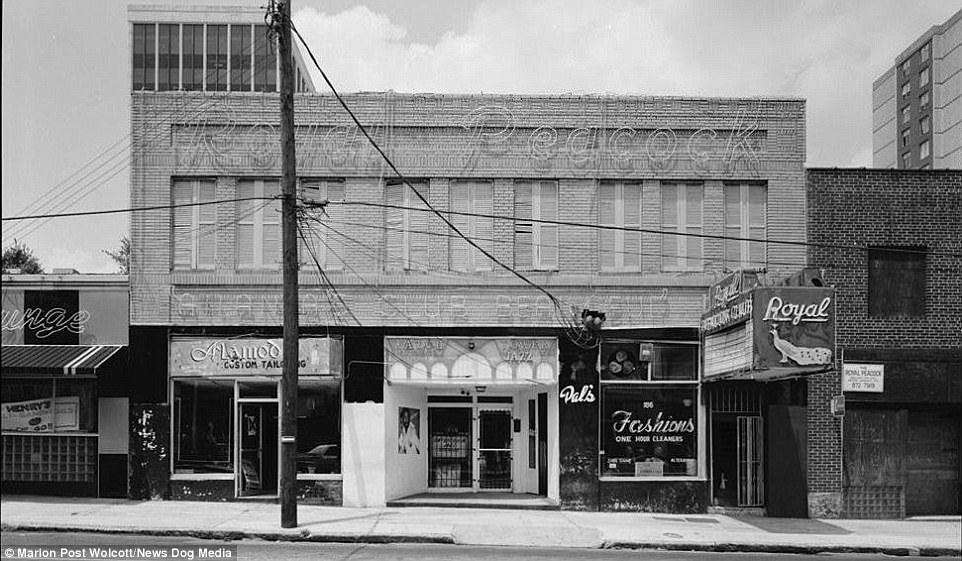
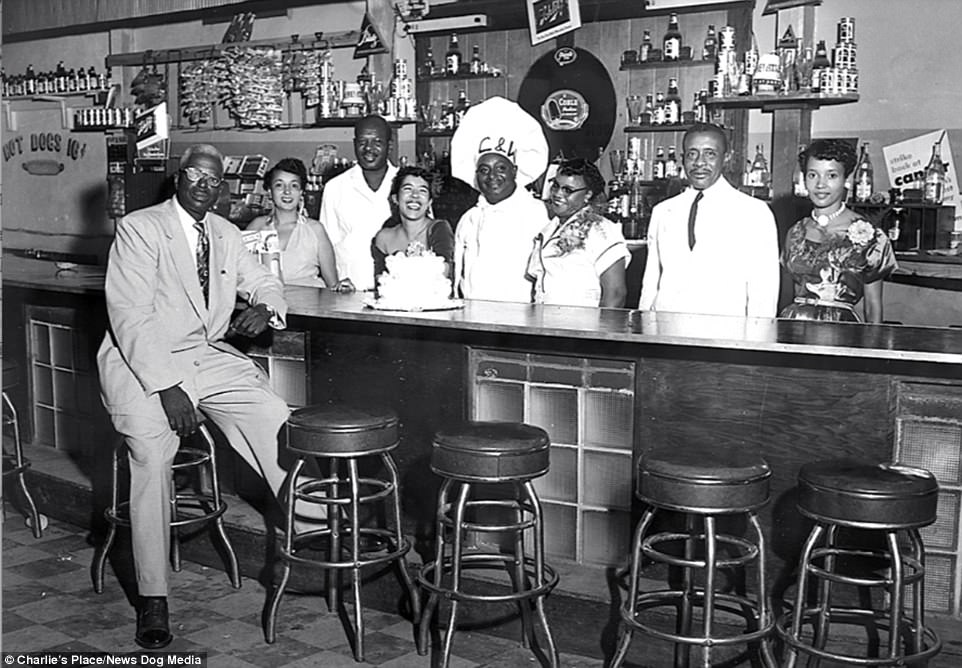


B.B. King by dave.
B.B. King @ The Cotton Club* — B.B. King frequented Gainesville in the late 1940s into the early 1950s. The Cotton Club, just outside of downtown, near Depot Avenue. The Club was a key stop for African American musicians before it closed in 1952. [WUFT] [WCJB].
Johnny Hines
MUDDY WATERS (GAINESVILLE LOVE STORY)
BO DIDDLEY
BB KING (THE COTTON CLUB)
“Ghetto Woman”
B.B. King
Blues Boy for a reason
1971 — Live in London
((( >>> )))


—yZ.
B.B. King at the Cotton Club, on the edge of downtown Gainesville, Florida.
1962 — The Green Book (2018)
A “Hollywood” movie inspired by the true story of a 1962 tour of the Deep South by African-American pianist Don Shirley and Italian-American Copacabana bouncer (Frank “Tony Lip” Vallelonga), who served as Shirley’s driver and bodyguard. [ORANGE BIRD]
1965 — Live at The Regal
1971 — “Why I Sing The Blues”
“The Sky is Crying”
B.B. King
w/ Stevie Ray Vaughan, Albert King, Paul Butterfield
1987 — B.B. King and Friends
((( >>> )))
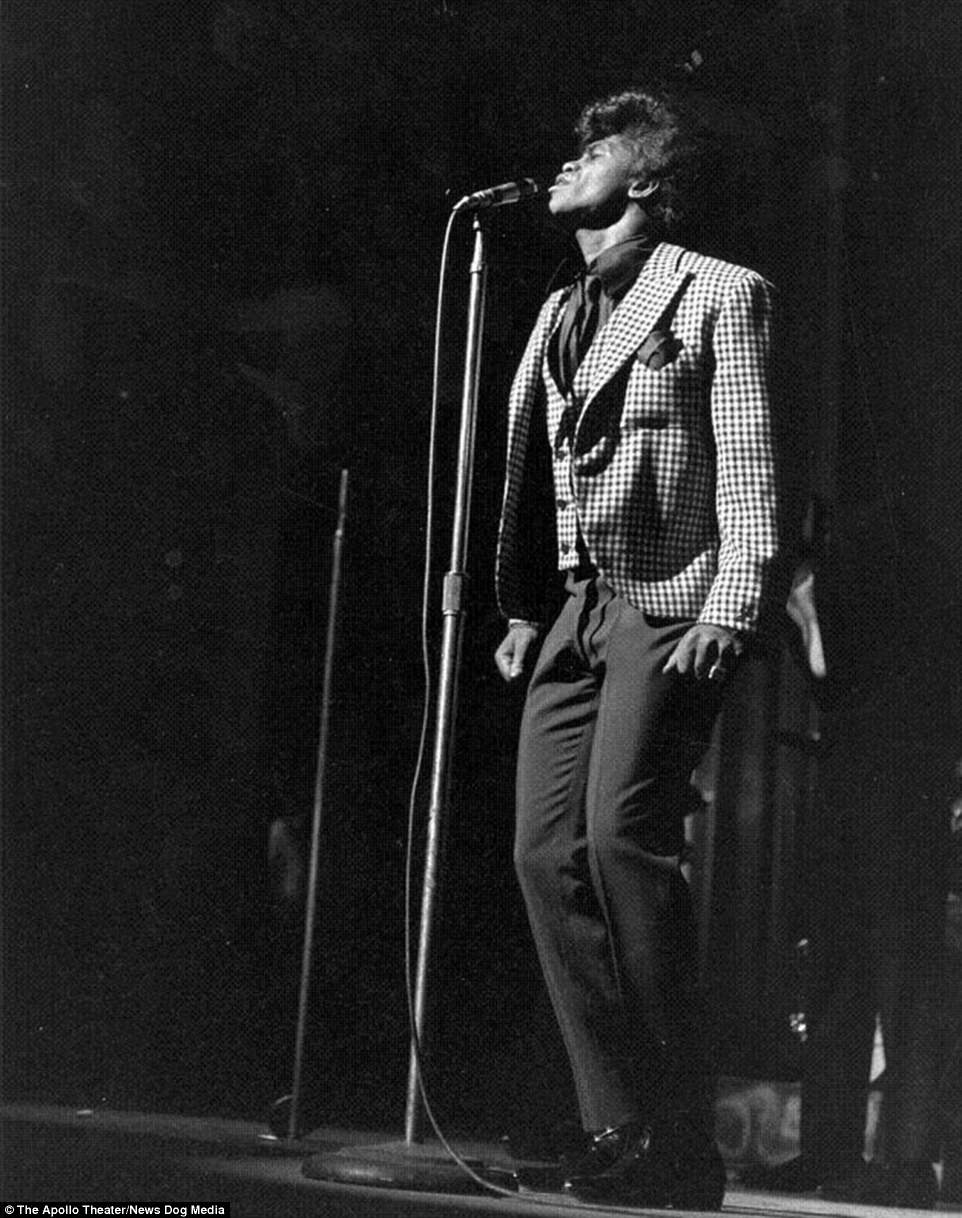
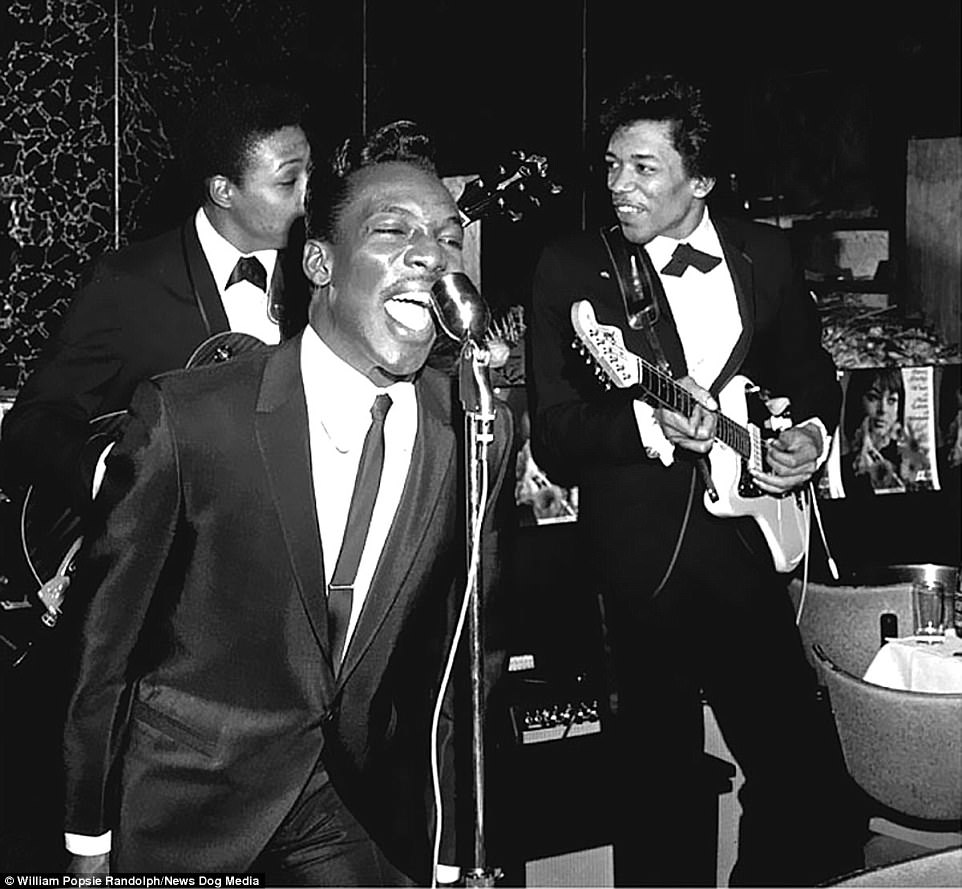
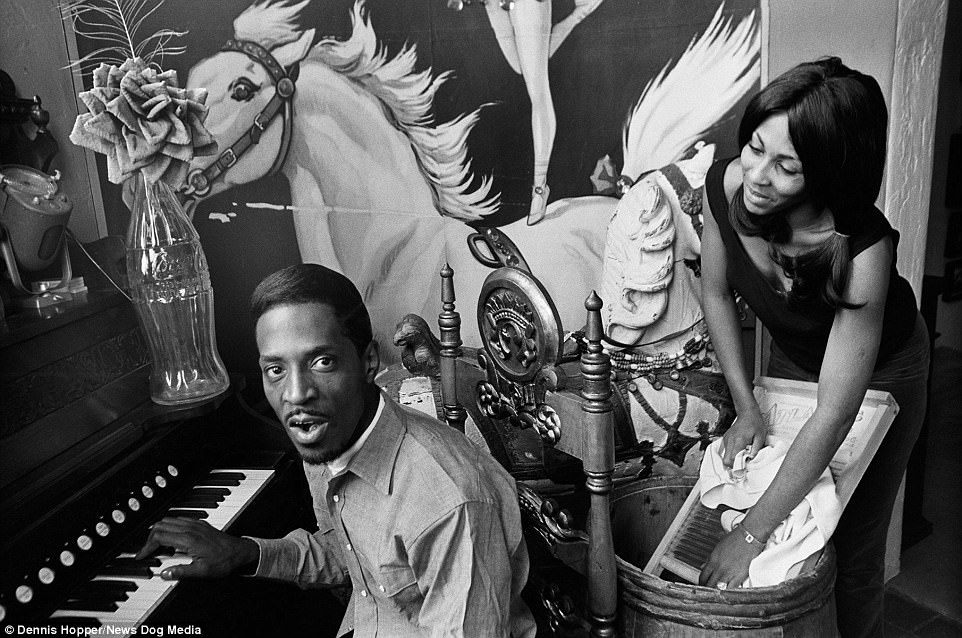
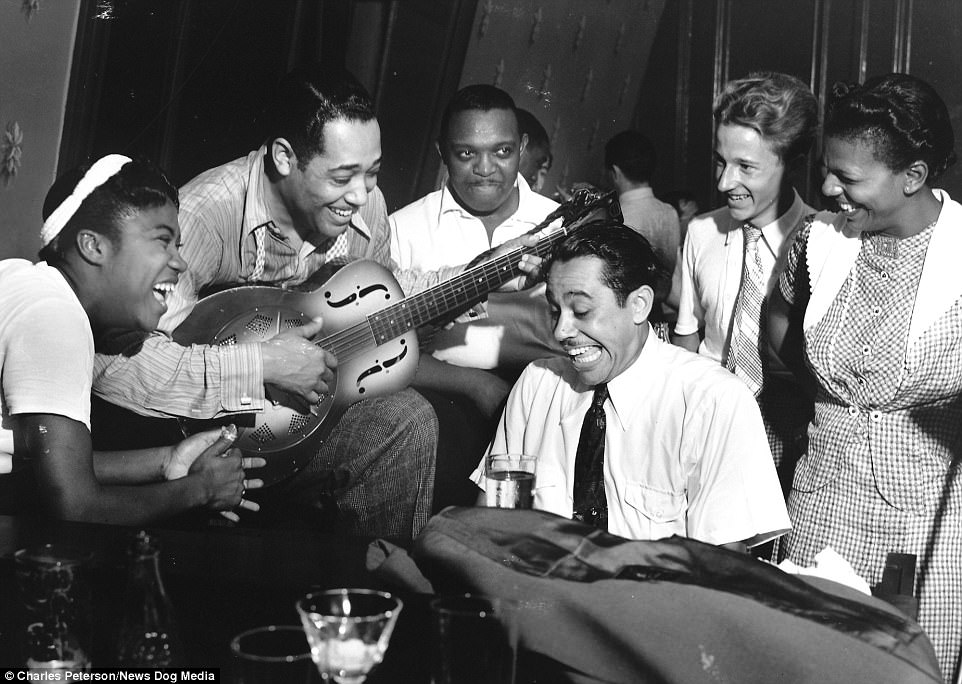
Huge names played the circuit in cities including New York City, Chicago, Washington D.C. and Philadelphia.
Sam Cooke, James Brown, Sammy Davis, Jr, Aretha Franklin, The Jackson 5, Jimi Hendrix, Otis Redding, Little Richard and Tina Turner all played on the music trail.
During this intolerant chapter, deeply segregated American cities gave birth to a touring circuit that provided employment for hundreds of black musicians.
The Chitlin Circuit, which took its name from a soul food dish made out of pig intestines, stretched across the eastern, southern and upper Midwest areas of the USA.
‘It’s definitely a vernacular term,’ says Preston Lauterbach, author of The Chitlin’ Circuit and the Road to Rock ‘n’ Roll.
‘In the African-American press they were typically called the one-nighter circuit or the theatrical circuit, it was dressed up a little bit. Chitlin’ was informal.’
‘It denotes a certain ‘second-classness’ because of the food that it is associated with,’ he says.
‘Little Richard, James Brown — these are strong ingenious personalities that don’t really want to be lumped in with a term associated with ‘second-class.’
‘But still, there was something redeeming in the term.’
In 1896 the US Supreme Court ruled in Plessy v Ferguson that all US citizens could be ‘separate but equal’ — which in reality, ignored “equal,” and legalized “separate.”
This decision allowed bars, restaurants and hotels to discriminate against people on the basis of color.
However, in 1954, in Brown v Board of Education, the Supreme Court under Justice Earl Warren ruled unanimously that ‘separate but equal’ was unconstitutional.
The case ruled that ‘separate educational facilities are inherently unequal.’ This landmark case proved instrumental to lifting bans on performers appearing in venues depending on their race. [“THE PROBLEM WE ALL LIVE WITH”]
 Proud Mary
Ike & Tina Turner
Rolling On The (Mississippi) River
1971 — Live in London
((( >>> )))
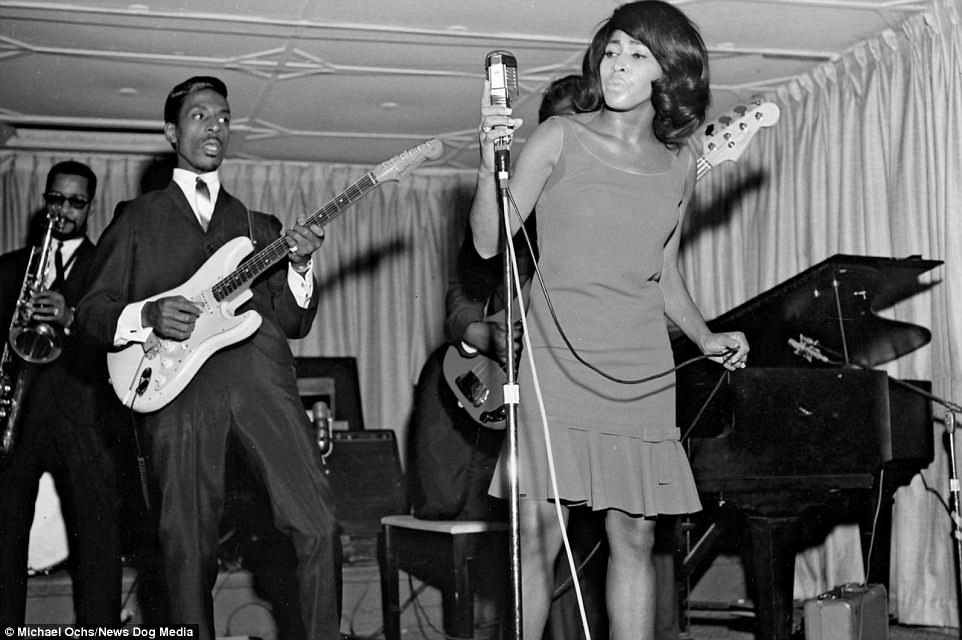
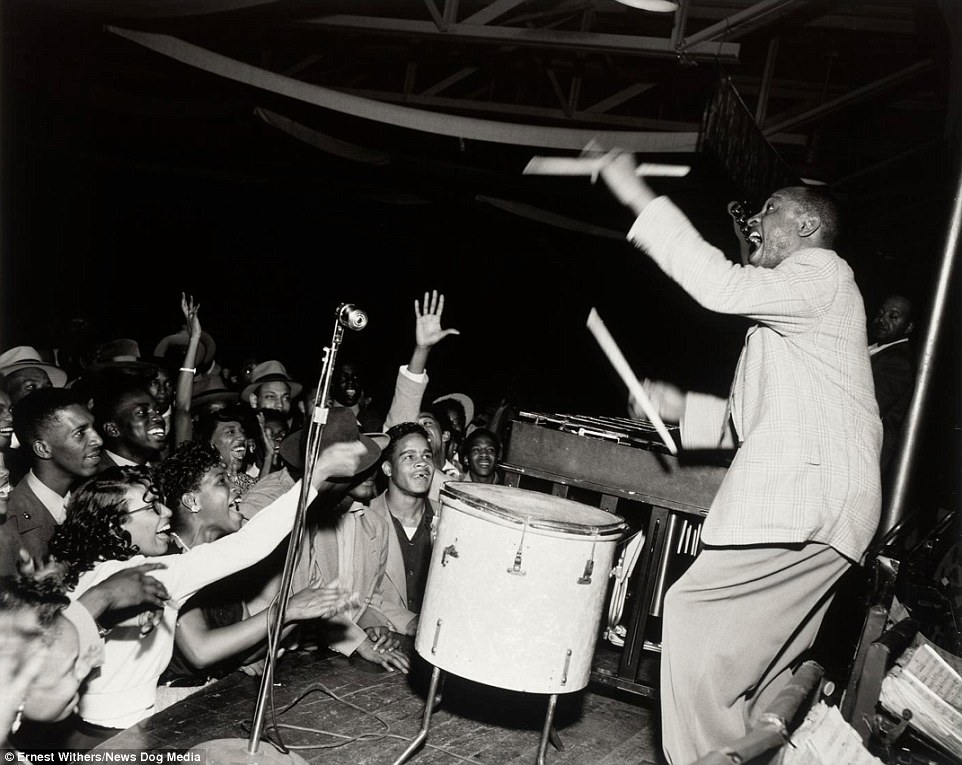
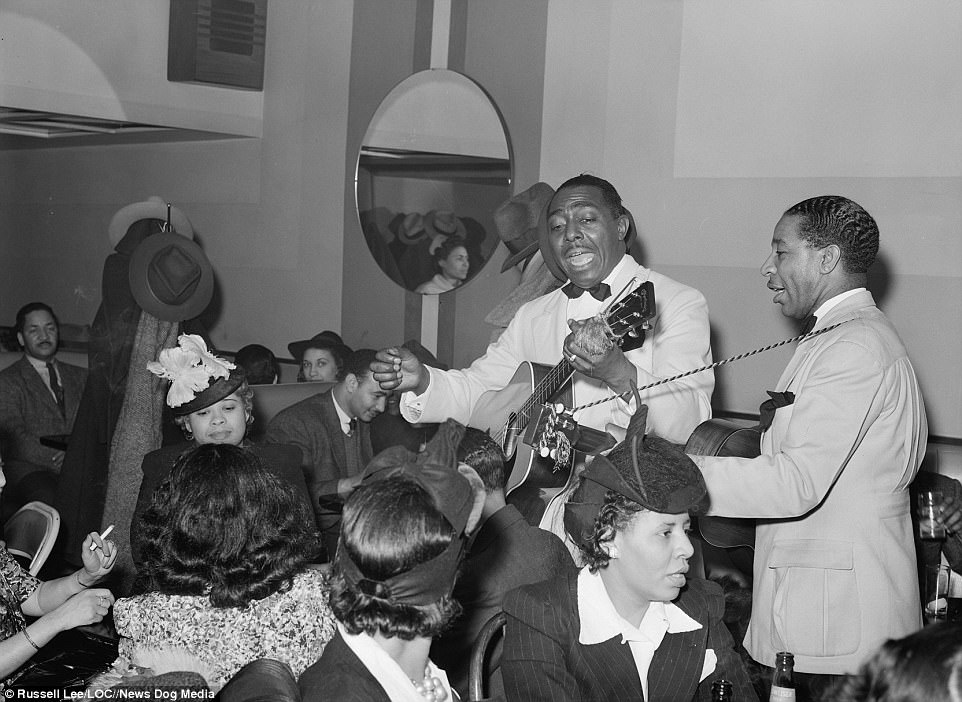
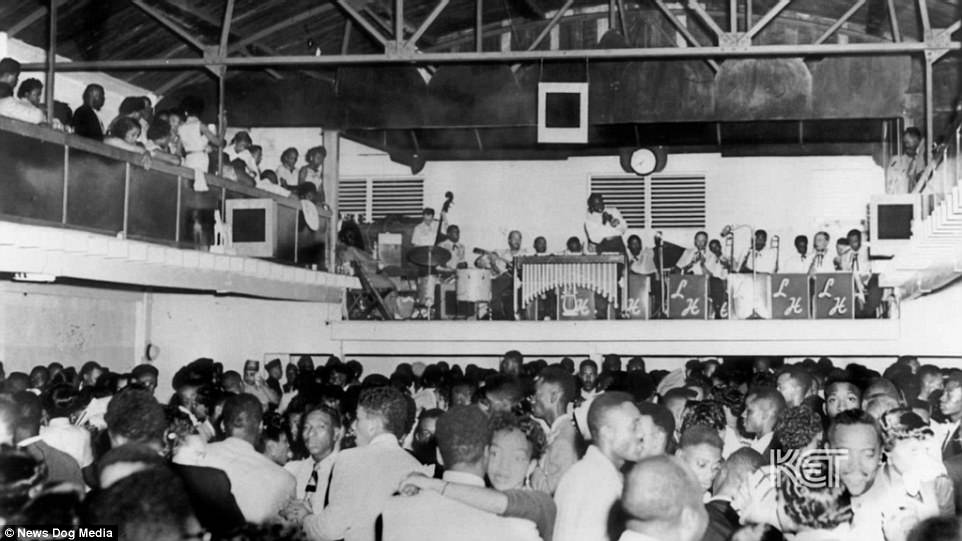
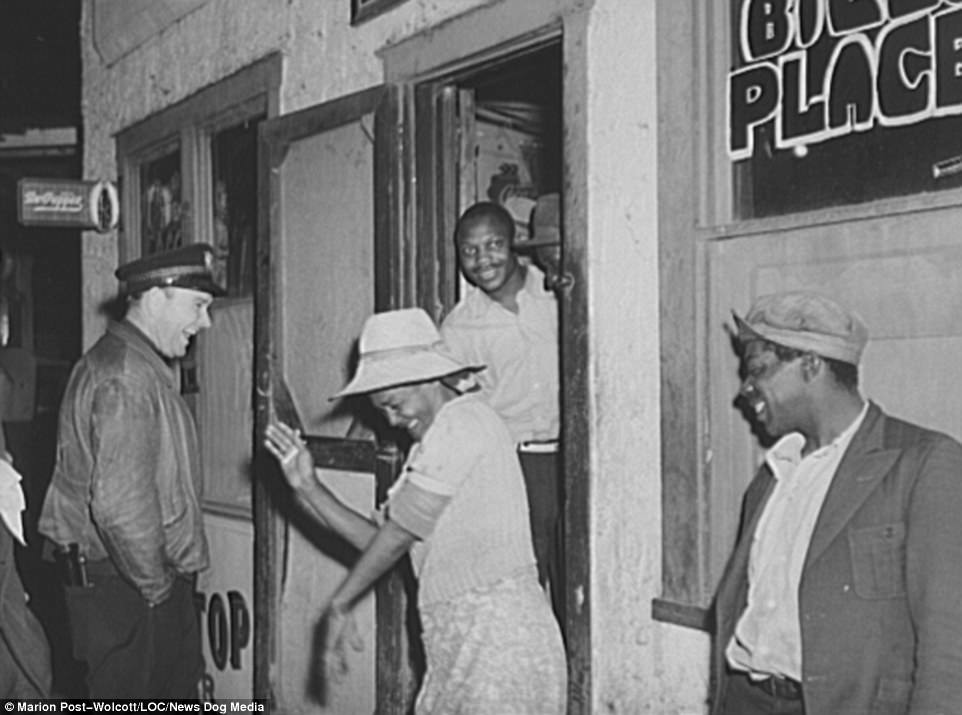
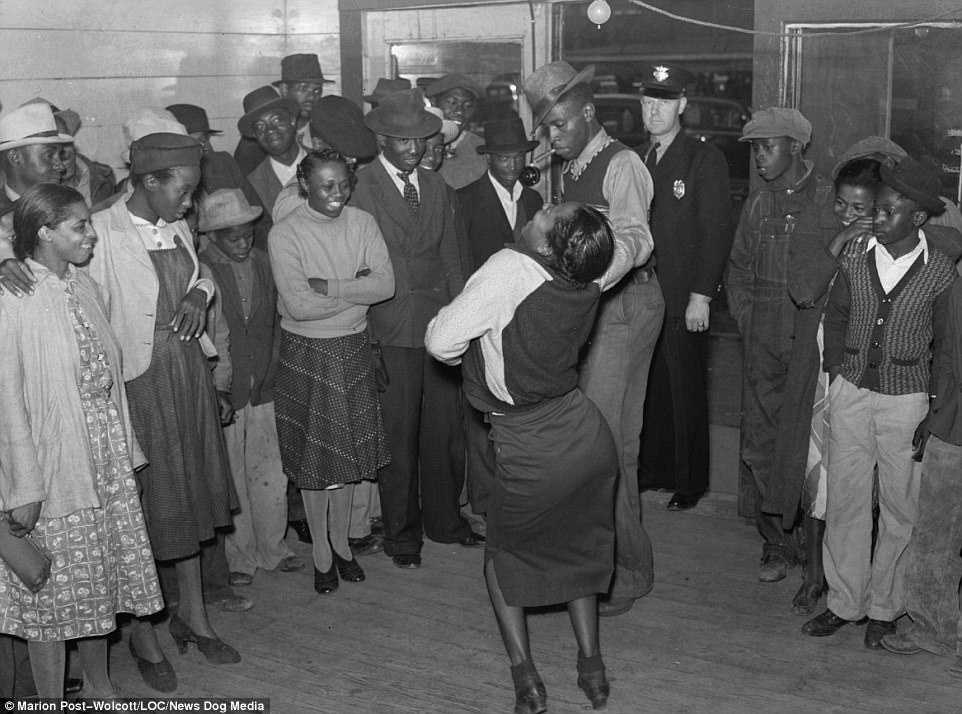
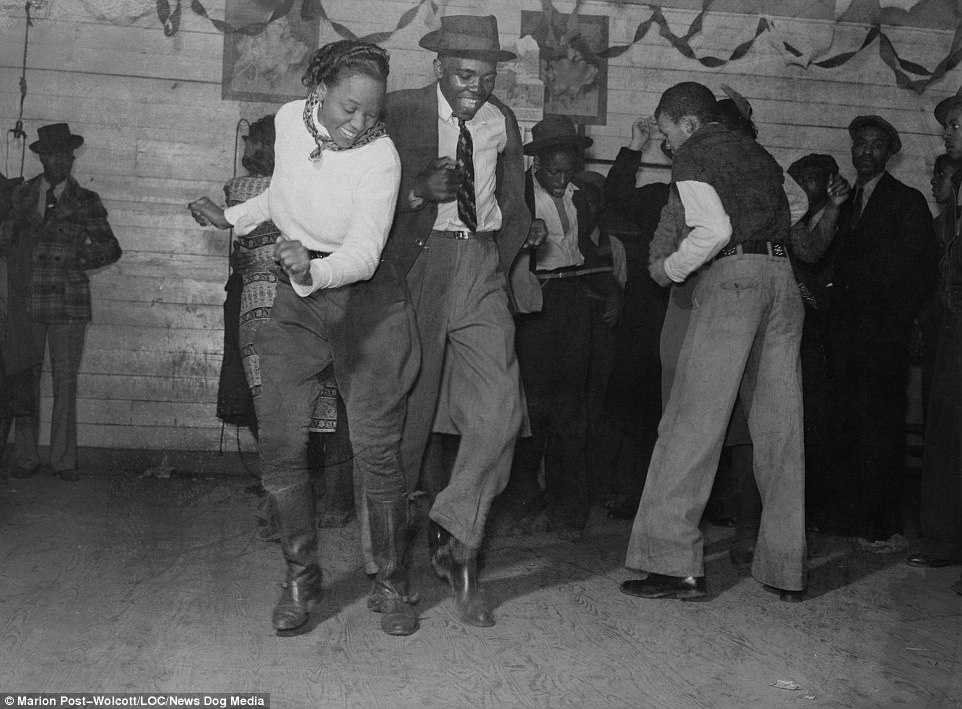
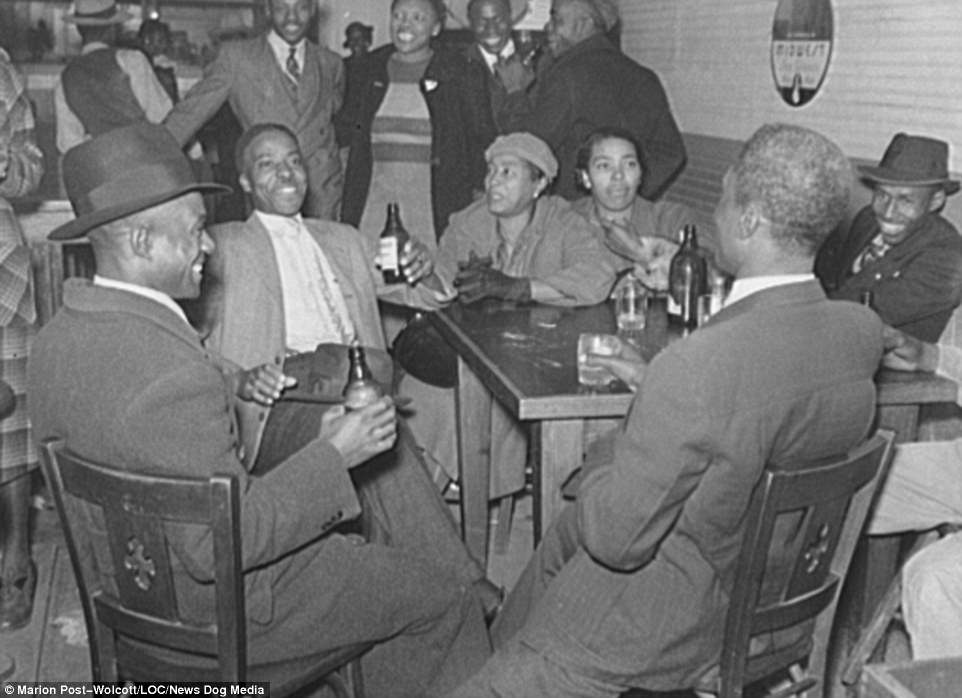
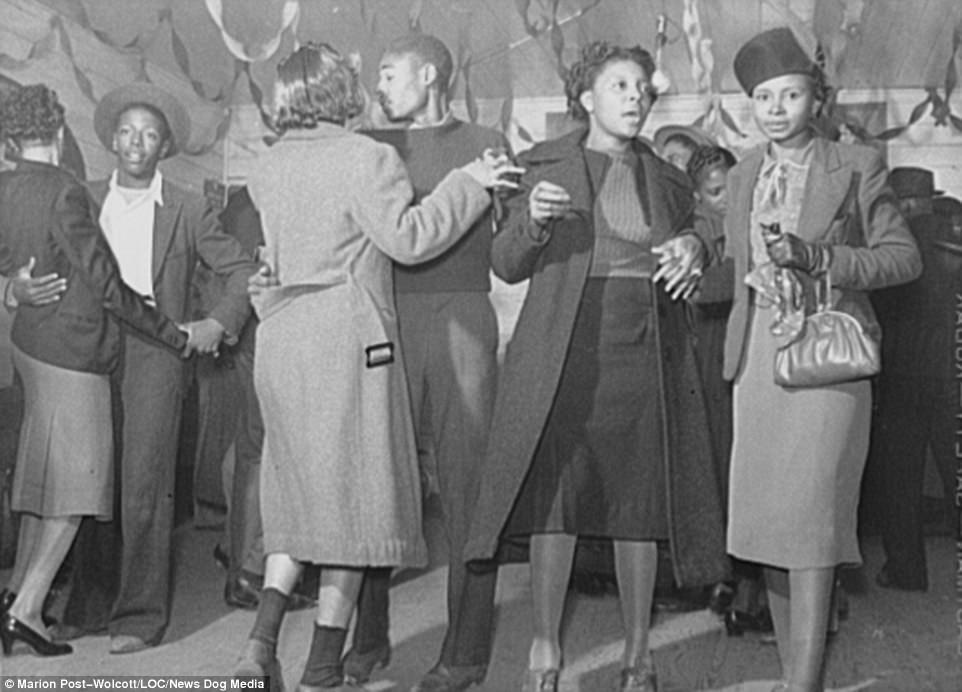
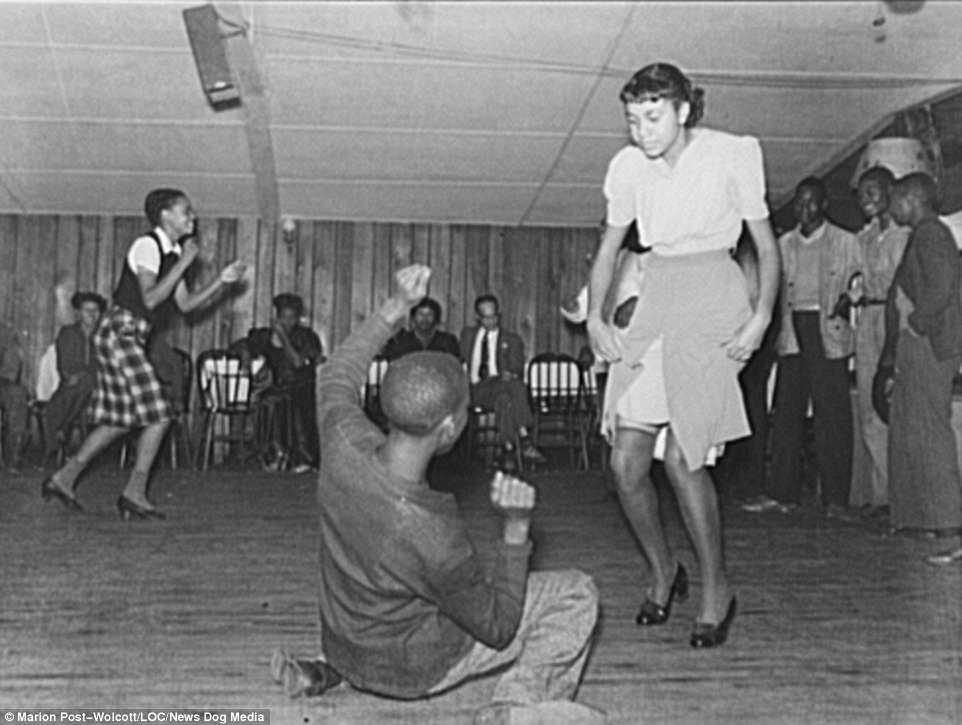
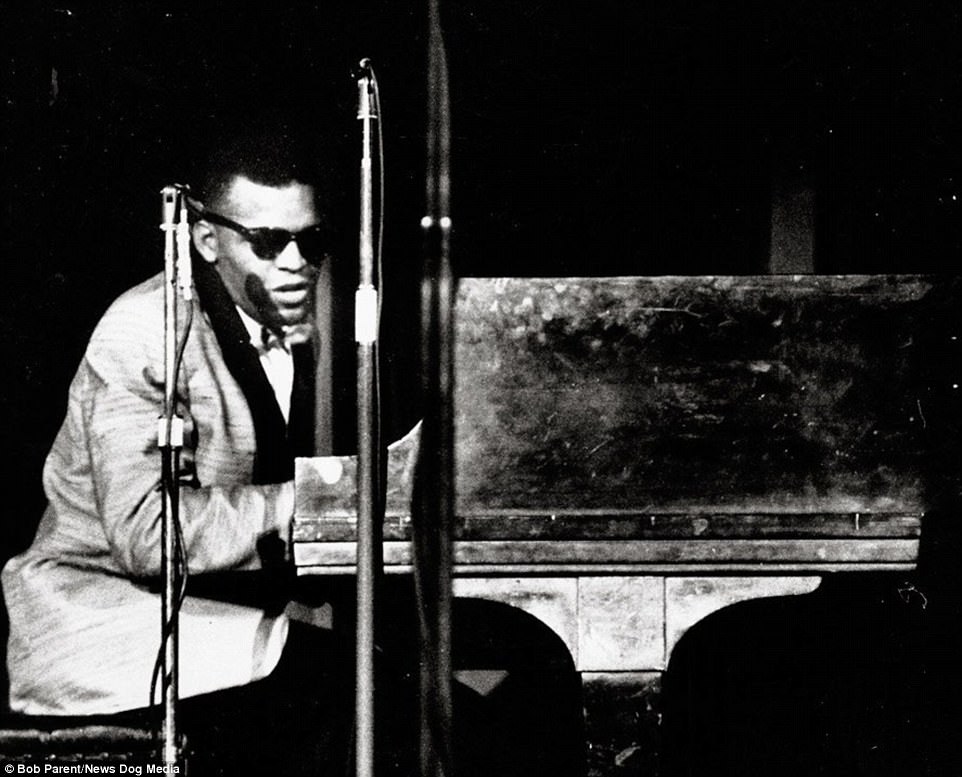

Michael Ochs
The Chitlin Circuit, named after the soul food dish was named after a soul food dish made from pig intestines, and is popular in the “Deep” South.
African American musicians, well known later (Jimi Hendrix, Tina Turner, James Brown, and others) played only Circuit venues, until 1954, when segregation segregation was deemed constitutional in the United States as it was considered ‘separate but equal’
Artists spent months touring the country spending one night in each venue before moving on.
Hit the Road: Fascinating images reveal the history of the ‘Chitlin Circuit’ where artists including Ray Charles, James Brown, and Tina Turner made their living in the years they were banned from playing in white bars.
Stevie Ray Vaughan, B.B. King, and Albert King played “The Sky is Crying” together on April 15, 1987, at the Ebony Showcase Theater in Los Angeles as part of the Cinemax special A Blues Session: B.B. King and Friends. Paul Butterfield also joined them on harmonica for the performance.
University Avenue
BLUES IN THE NIGHT
AFTER MIDNIGHT (UF NIGHTLIFE)
Johnny Hines
MUDDY WATERS (GAINESVILLE LOVE STORY)
BO DIDDLEY
BB KING @ THE COTTON CLUB
Chitlin’ Circuit
Robert Johnson (WIKI)
Searching for Robert Johnson (Vanity Fair)
ROBERT JOHNSON (LOVE IN VAIN)
BLUE (THE ORIGINAL COLOR OF SIN)
THE DEVIL IS SINGING OUR SONG
ROBERT JOHNSON (HELLHOUND ON HIS TRAIL)
SACRED GROUND (A LIGHTER SHADE OF BLUE)
BLACKS AND BLUES (CHITLIN’ CIRCUIT)
HOLY TRINITY OF ROCK
HOLY TRINITY OF JAZZ
SCOTT PUTESKY
Running With The Devil [STORY]
the bridge
BRINGING AMERICA TOGETHER AGAIN.
BLUE (THE ORIGINAL COLOR OF SIN)
ROBERT JOHNSON (HELLHOUND ON HIS TRAIL)
SACRED GROUND (THE CROSSROADS)
ROBERT JOHNSON (ORIGINAL BLUESMAN)
THE DEVIL IS SINGING OUR SONG
SEARCHING FOR ROBERT JOHNSON (VANITY FAIR)
A LIGHTER SHADE OF BLUE (THE YARDBIRDS)
MOUNTAIN MUSIC (ROCK N ROLL TIMELINE)
GUITAR LIST #1 (ELECTRIC EVOLUTION)
GUITAR LIST #2 (SYMPATHY FOR THE DEVIL)
ROCK N ROLL TIMELINE (NO ART)
BLUES (MARY McCLAIN)
CROSS THAT RIVER (BLUE WAS ANGRY)
MARY McCLAIN (TOBACCO ROAD) MIAMI
The Bridge (PLAYLISTS)
BRINGING AMERICA TOGETHER AGAIN.
CROSS THAT RIVER (THE STORY OF BLUE)
CROSS THAT RIVER (PLAYLIST)
The Bridge (LIVE RECORDINGS)
@ WLRN MIAMI (2014)
@ OCEAN DRIVE (2014)
@ OCEAN DRIVE (2015)
@ POMPANO BEACH (2015)
@ HARTFORD (2016)
CROSS THAT RIVER (PLAYLIST) ALT.1
CoLors*…
This is a Voyage into Sound.
inst. of change [THE ELECTRIC GUITAR]
the players
INSTRUMENTS OF NOISE.
take it to the bridge
The Original Color of Sin [BLUE.]
“Miami Strut”
Stevie Ray Vaughan
Stevie Ray Vaughan
Art Deco Weekend (2015)
Allan Harris, Doug Wimbish, Christian Howes, Jesse Jones Jr.,